Kimi K3.1 Pro released: 1M context, API pricing and what changed

TL;DRMoonshot AI released Kimi K3.1 Pro and Kimi K3.1 Pro Highspeed on October 23, 2026. The company describes Pro as a 3-trillion-parameter-scale model with a 1-million-token context window. Both versions are available through Kimi's apps, Kimi Code and its API. Highspeed is advertised as roughly 2 to 3 times faster at output and costs twice as much per token. Full model weights are promised by November 4; they were not part of the October 23 launch.
By DeepSeek V4 Hub
The release puts coding agents, 3D work and financial research at the center of Kimi's pitch. The useful question for developers is simpler: which model ID should you call, what will a run cost, and which performance claims have been independently checked?
kimi-k3.1-proWhat did Kimi release on October 23?
Kimi K3.1 Pro is the first K3.1-series model. Moonshot calls it a post-trained version of Kimi K3 and says it increased reinforcement-learning work across coding, agent tasks and other domains. The company launched a second API option, K3.1 Pro Highspeed, with the same stated intelligence and faster output.
The models are available now on kimi.com, the Kimi app, Kimi Work, Kimi Code and the Kimi API platform, according to Moonshot. This is a hosted release. The company says it will publish full weights by November 4, 2026. Until those weights appear, a self-hosted K3.1 Pro workflow remains a future option.
What are the Kimi K3.1 Pro API prices?
The standard model costs CNY 13 per million uncached input tokens and CNY 68 per million output tokens. Cache-hit input is CNY 1.30 per million. Moonshot says Highspeed costs twice as much for the same token categories. These are the prices in its October 23 announcement, not a quote from a checkout or a guarantee of future rates.
| Option | API model ID | Cached input / 1M | Uncached input / 1M | Output / 1M |
|---|---|---|---|---|
| Pro | kimi-k3.1-pro | ¥1.30 | ¥13 | ¥68 |
| Pro Highspeed | kimi-k3.1-pro-highspeed | ¥2.60* | ¥26* | ¥136* |
CNY per million tokens. *Highspeed figures are calculated from Moonshot's statement that its price is double the standard version; check the live API price sheet before purchasing.
For a job using 1 million uncached input tokens and 200,000 output tokens, the standard list-price arithmetic is ¥26.60 (¥13 + 0.2 × ¥68). At the stated 2× rate, Highspeed would be ¥53.20. Cache hits, actual token counts and platform terms can change the bill. This example is a calculation, not a measured workload.
What can K3.1 Pro do beyond chat?
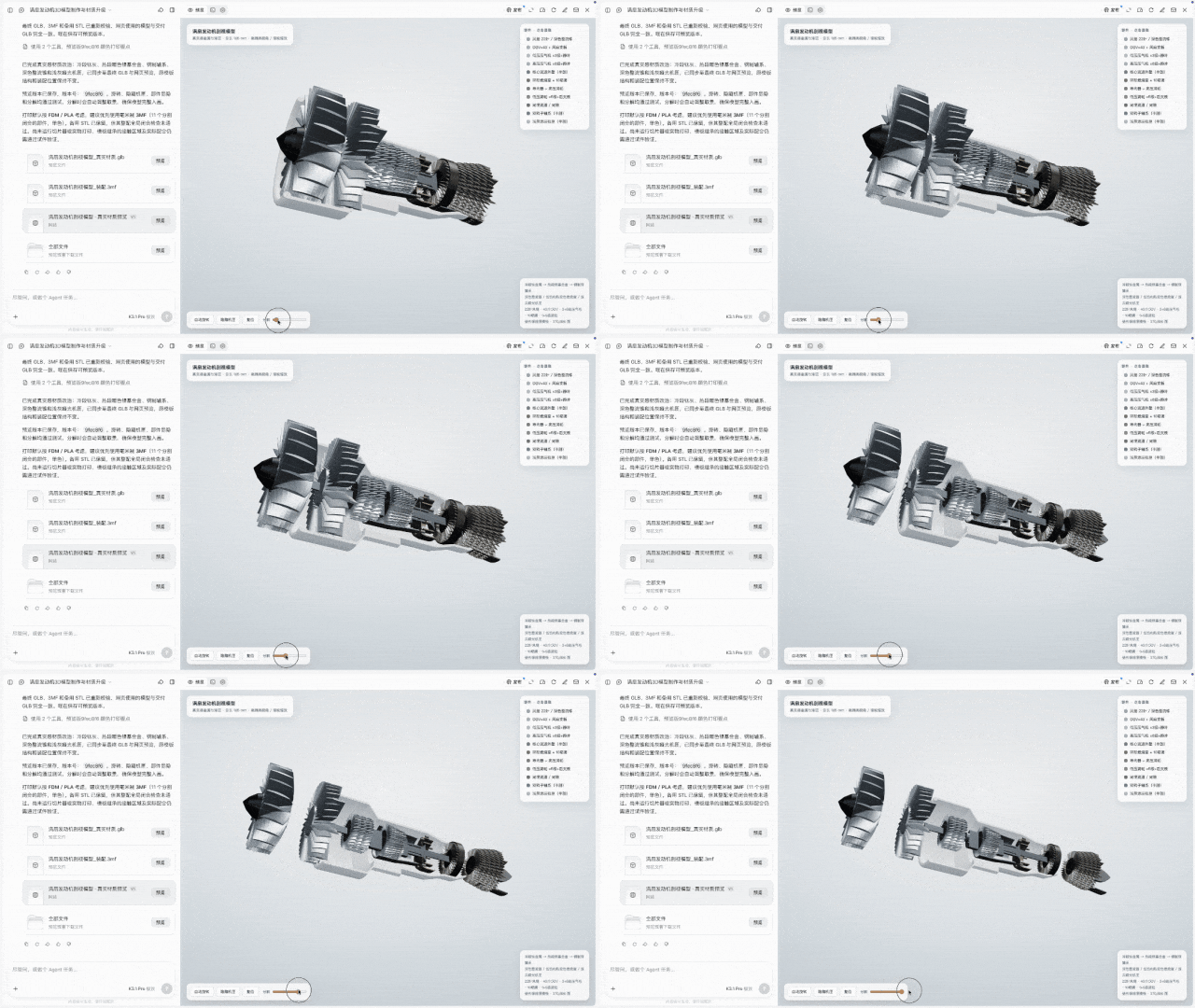
Moonshot's launch examples focus on tool-using work. In coding, it shows projects built with Unreal Engine, Godot and Three.js, plus a long-running simulation task. For 3D creation, it shows Blender, FreeCAD and printable-model workflows; Kimi's site and app also gained a 3D Make feature for previewing and editing models. In finance, its examples include a linked financial workbook, an investment committee presentation and a sourced industry report.
These are company demonstrations. They show the intended workflow and the kinds of tools involved, but they do not establish that every user can reproduce the same result from one prompt. For financial work, check the source documents, formulas and assumptions before using any output in a decision.
Official videos and images
The images and clips below are from Moonshot AI’s original October 23 announcement. Videos are copied without editing. Where a source image contains Chinese text, an English translation appears underneath; existing English chart labels remain unchanged.
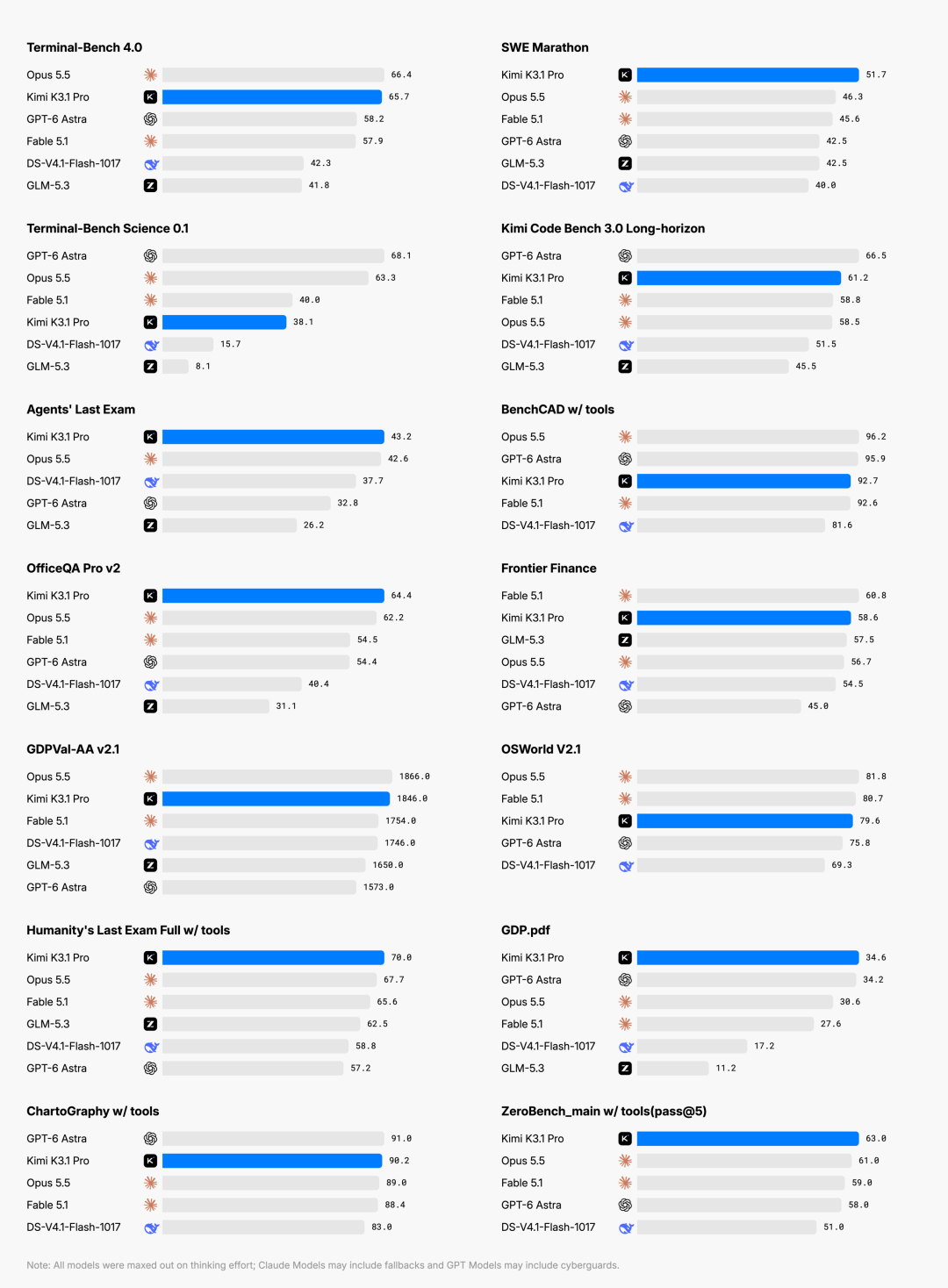
Release charts
Want to try Kimi K3.1 Pro and Kimi K3.1 Pro High Speed right away? Explore our Kimi Coding Plan.
Coding and long-running agents
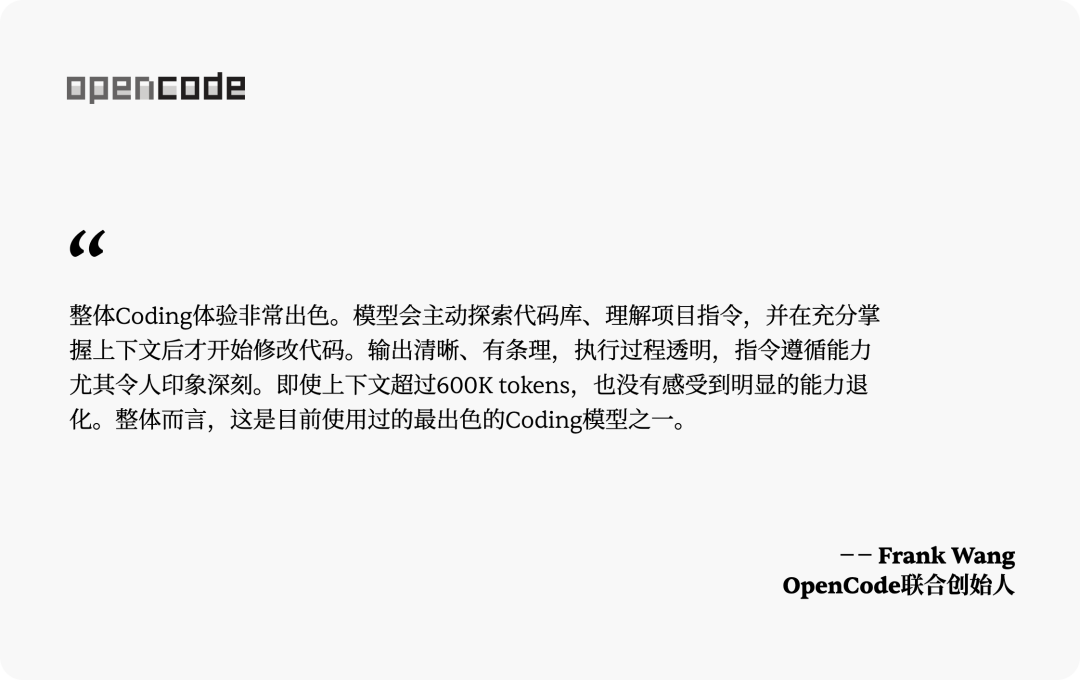
English translation · Frank Wang, OpenCode co-founderThe overall coding experience is excellent. The model proactively explores the repository and understands project instructions before editing with the available context. Its output is clear and organized, its process is transparent, and instruction-following stood out. We did not notice a marked decline even beyond 600K tokens of context. Overall, this is among the best coding models we have used.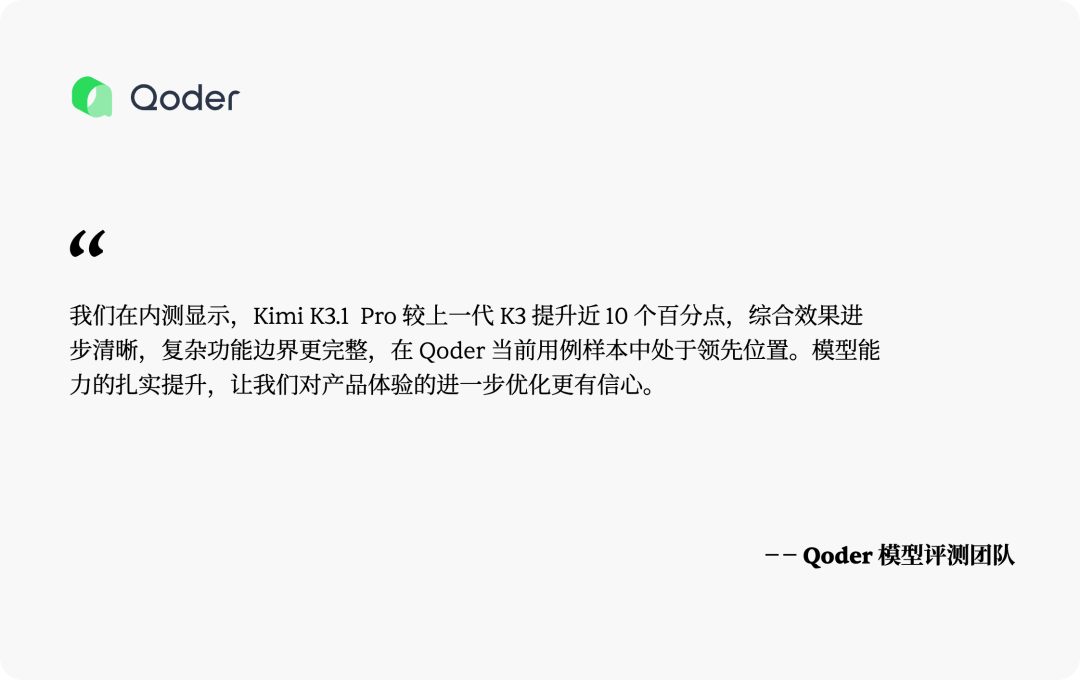
English translation · Qoder model evaluation teamIn our internal tests, Kimi K3.1 Pro scored nearly 10 points higher than the previous K3 on a 100-point scale. Its overall performance is noticeably clearer, complex functions are more complete, and it currently ranks among the leading models on Qoder's use-case samples. The gain gives us more confidence in further improving the product experience.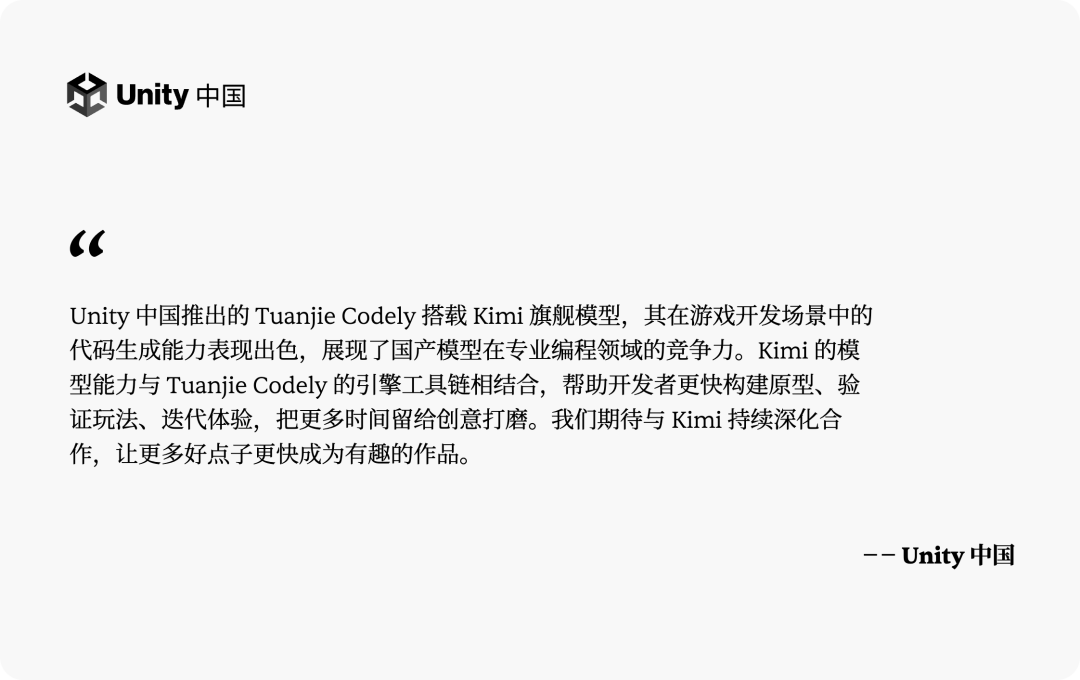
English translation · Unity ChinaTuanjie Codely, launched by Unity China, uses Kimi's flagship model. It performs well at code generation for game-development scenarios and shows the competitiveness of domestic models in professional programming. Combined with Tuanjie Codely's engine tools, it helps developers build prototypes, verify gameplay and iterate on experiences more quickly. We look forward to working further with Kimi.3D creation
Financial research
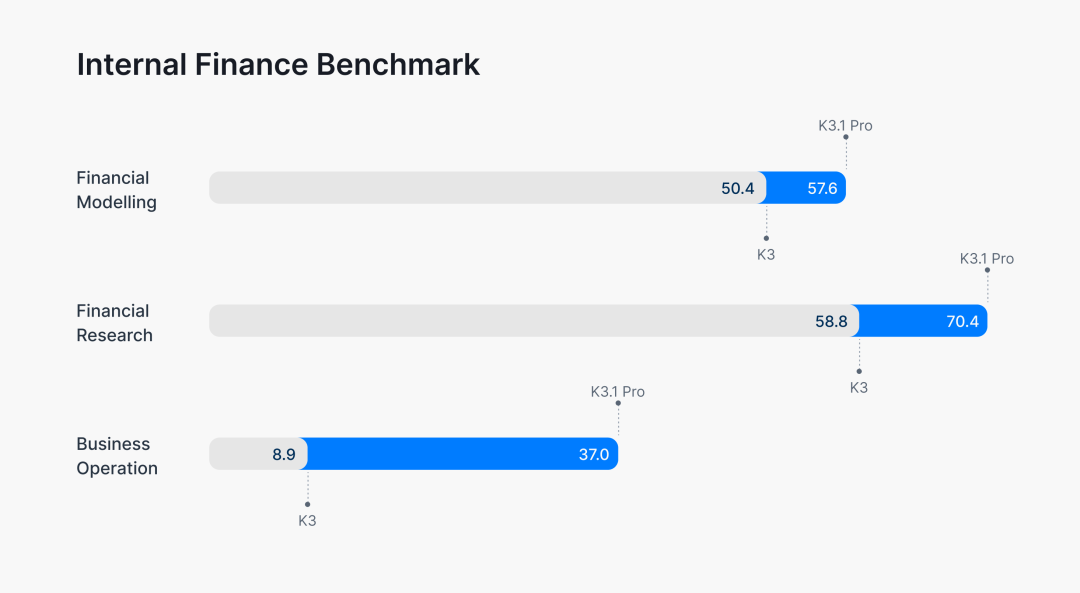
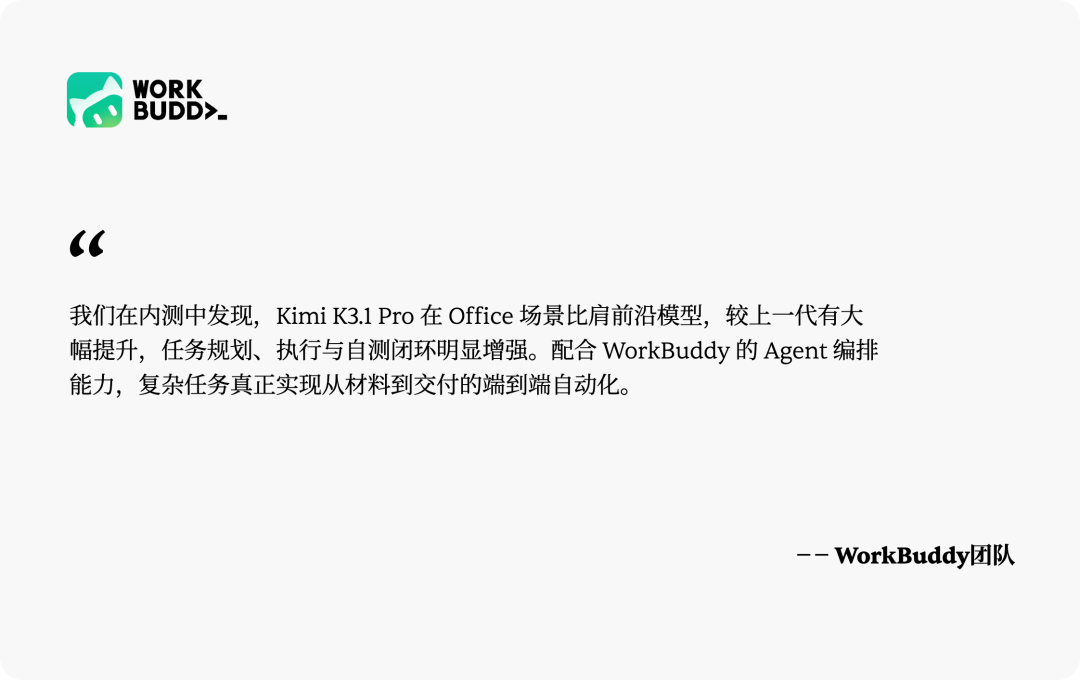
English translation · WorkBuddy teamOur internal testing found that Kimi K3.1 Pro improved substantially over the previous generation in office tasks, especially in task planning, execution and self-evaluation. Together with WorkBuddy's agent orchestration, complex work can be automated end to end from materials to delivery.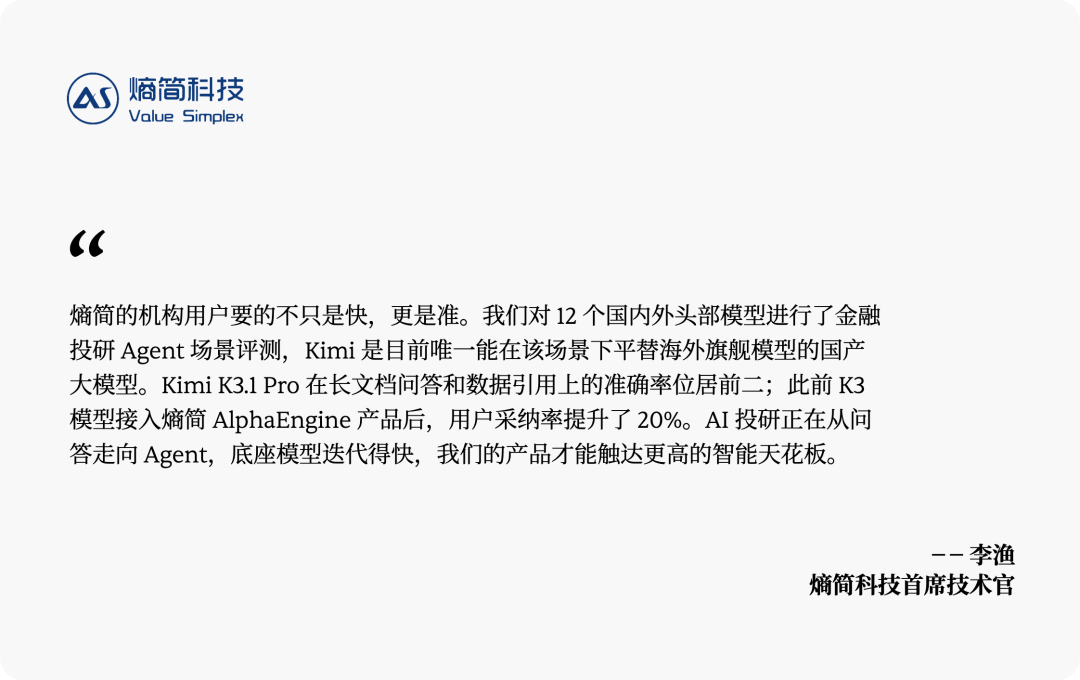
English translation · Li Bo, CTO of Value SimplexInstitutional users need accuracy as well as speed. We evaluated 12 leading domestic and international models on financial-research agent scenarios. Kimi is currently the only domestic model we found that can replace leading overseas models in those scenarios. K3.1 Pro ranks near the top for long-document Q&A and data citation. After we connected the earlier K3 model to AlphaEngine, user adoption rose by 20%. Our work is moving from Q&A toward agents, and rapid model iteration lets us reach a higher ceiling.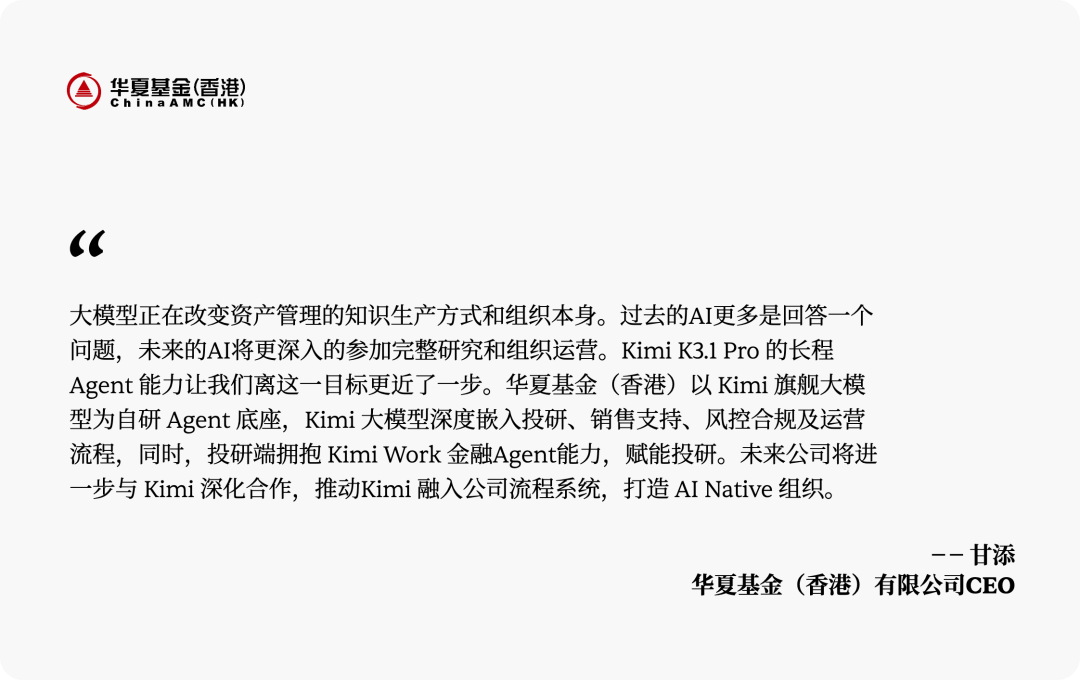
English translation · Gan Tian, CEO of ChinaAMC (Hong Kong)Large models are changing how asset-management firms produce and organize knowledge. AI will increasingly take part in full research and operations, rather than only answering isolated questions. Kimi K3.1 Pro's long-running agent capability moves us closer to that goal. We use Kimi's flagship model as the base for our own agents, embedding it in investment research, sales support, compliance and operations. Our investment-research team also uses Kimi Work's financial agent capabilities. We plan to deepen that cooperation and bring Kimi further into company workflows.Cybersecurity assessment
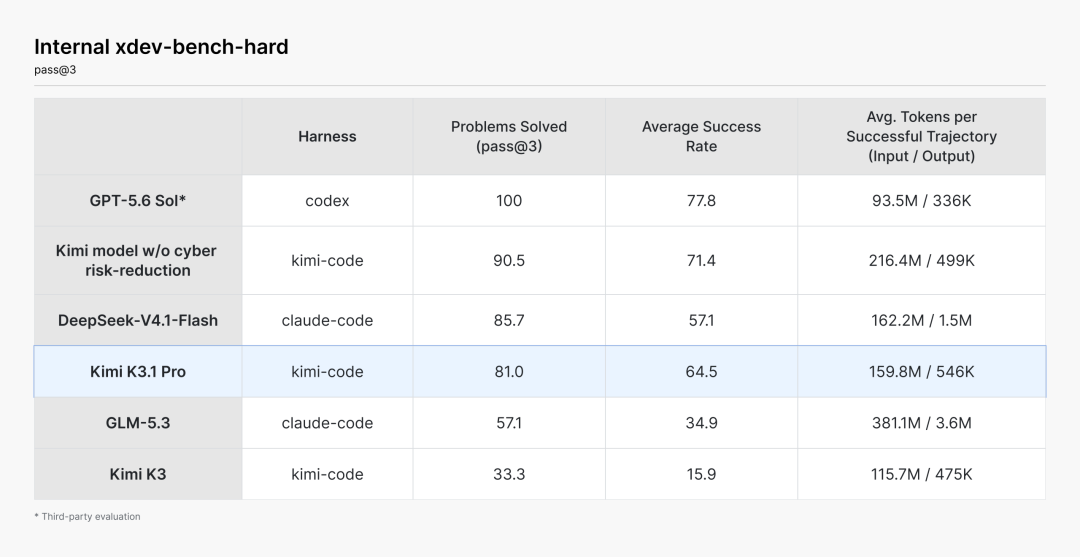
Media credit: Moonshot AI / Kimi. The benchmark charts and testimonials represent claims or feedback selected for the company’s release.
What do the launch benchmarks actually show?
Moonshot reports stronger results than K3 on several tests, especially long-running coding and finance tasks. The figures below come from the company's launch post. Test settings and some comparator results have not been independently reproduced for this article.
| Test | K3.1 Pro | Useful reading |
|---|---|---|
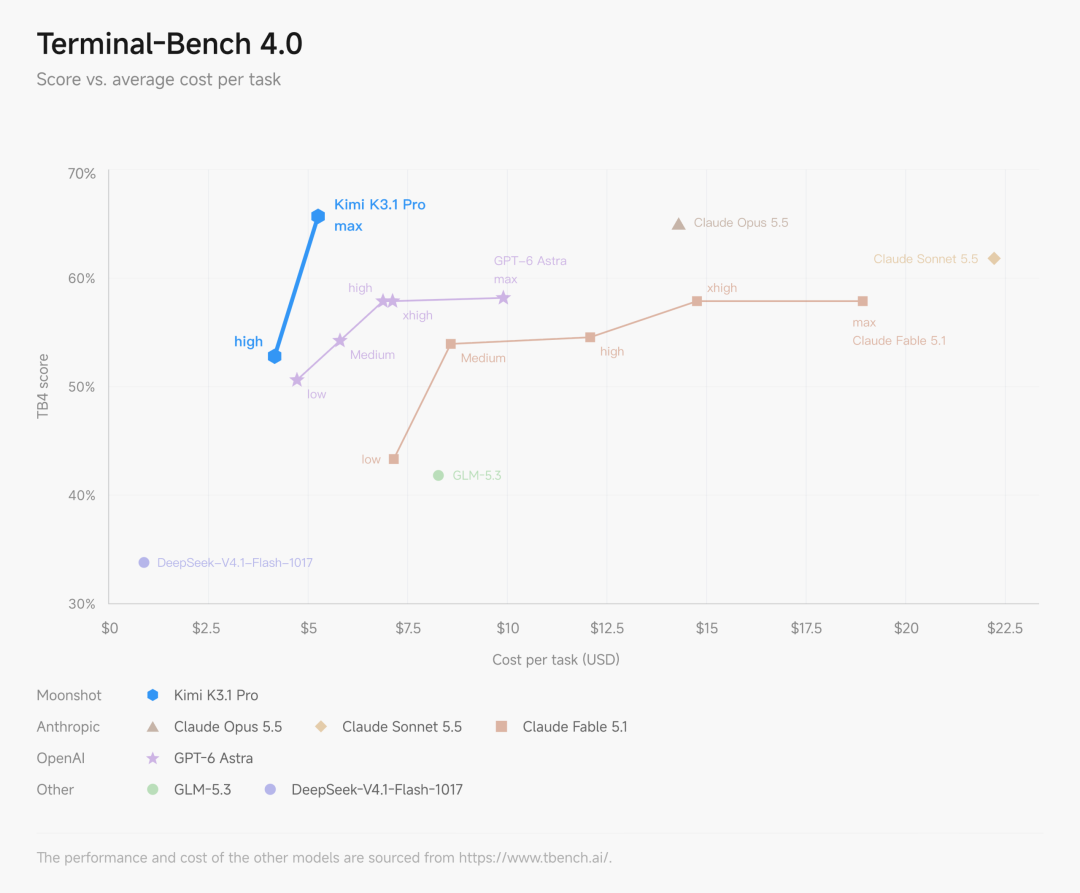
| Terminal-Bench 4.0 | 65.7% | Company-reported terminal-agent result; its post lists Claude Opus 5.5 at 66.4% and GPT-6 Astra at 58.2%. |
| Kimi Code Bench 3.0 Long-horizon | 61.2% | Internal Kimi test; K3 scored 55.95% in the same report. |
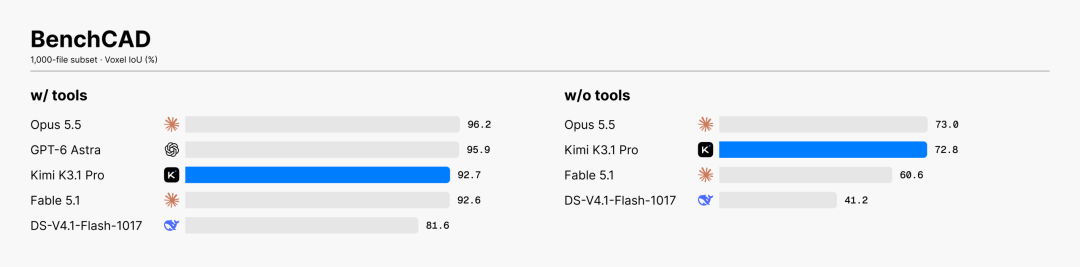
| BenchCAD, with tools | 92.7% | Company-reported CAD reconstruction result. |
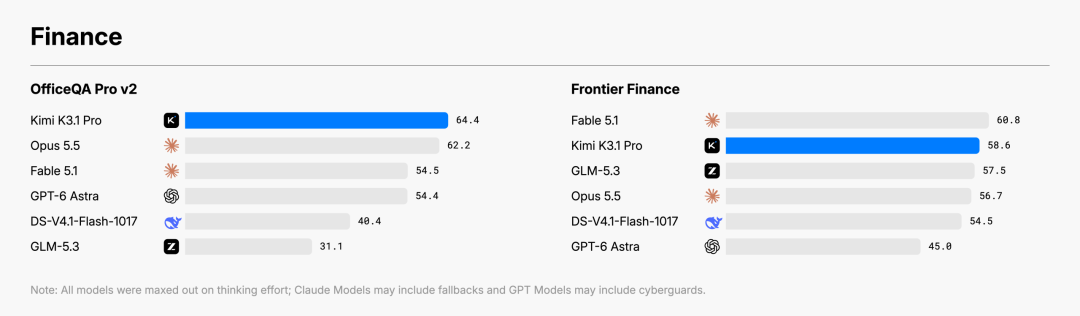
| OfficeQA Pro v2 | 64.4 | Company-reported score on financial-document questions. |
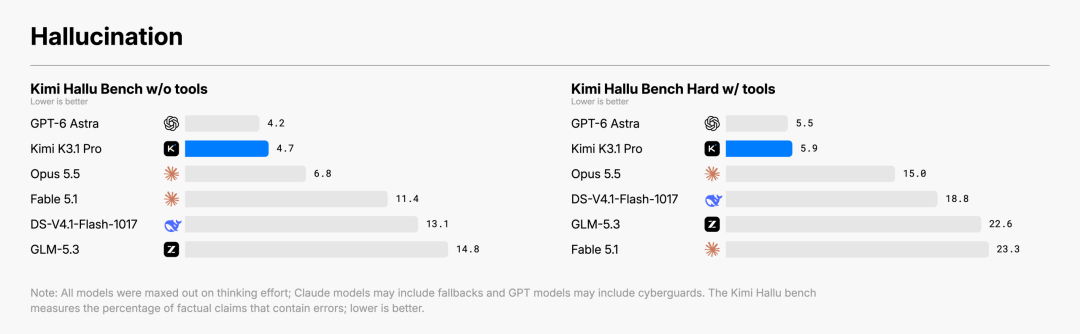
Moonshot also reports that on its deliberately difficult Kimi Hallu Bench Hard set, the single-claim factual error rate fell from 23.4% for K3 to 8.3% for K3.1 Pro. The company explicitly says that stress-test error rate is not a measure of ordinary use. A lower number here is useful context, not permission to skip fact checking.
Should you choose Pro or Highspeed?
Start with Pro when cost matters; test Highspeed when waiting for output is the bottleneck. Moonshot describes the intelligence as the same, while claiming roughly 2 to 3 times faster output for Highspeed at twice the price. That trade-off depends on your own prompt sizes and how long the model spends generating output.
- Run the same small, representative task on both model IDs.
- Record input tokens, output tokens, total latency and whether the result meets your acceptance criteria.
- Calculate the bill with cache hits and misses separated. Recheck the current official price before a larger rollout.
Use Kimi's official channels for K3.1 Pro. For inventory-backed DeepSeek Coding Plans and the exact models currently offered here, see our pricing page.